
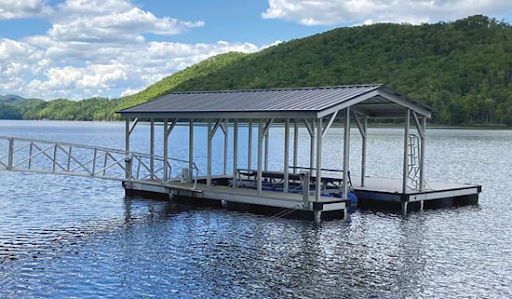
Custom Aluminum Boat Docks: Finding the Right Fit for Your Waterfront
Each waterfront location has its own unique scenery, water depth, and shoreline characteristics. A perfect choice of dock will turn your waterfront area into a safe place of enjoyment and pleasure for you and all other users. Finding construction material for the dock is often an issue, since it needs to be able to resist the permanent presence of water and require no constant maintenance. Custom aluminum boat docks will be a perfect choice to solve all your problems and make your shoreline much better than before.
Why Shoreline Characteristics Determine Your Dock Choice
Waterfronts differ widely based on their geography, climate, and hydrology. While a sheltered bay demands one kind of layout, a deep lake shore battered by strong winds and big waves needs a completely different layout. The type of soil along the waterfront determines how anchorages and support pilings should be installed.
Knowing your waterfront will prevent any future failure of your structure. The amount of seasonal fluctuation in water levels will determine whether you opt for a fixed or floating layout. Going for customized designs will ensure that your structure is secure no matter what season.
The depth of water also has an equally important part to play when choosing the appropriate layout. Shallow waters need longer bridges that stretch into the water at a point where the water is deep enough to allow safe passage of boat propellers.
Structural Advantages of Aluminum Over Traditional Wood Docks
Assessing how materials perform when continuously exposed is beneficial for property owners looking for longevity and low maintenance.
-
Low Maintenance and Longevity
Classic wood requires regular staining, sealing, and plank replacement to avoid decaying. Modern metal constructions offer great strength while maintaining low overall weight.
-
Corrosion-Resistant and Element-Resistant All-Weather
An aluminum dock is resistant to corrosion whether in fresh or salty water. The metal construction will not bend, splinter, or decay due to intense sunlight.
-
Frame Rigidity and Weight Stability
In addition to being resistant to decay, metal frames also ensure excellent frame rigidity without bending. Unlike wood that gets waterlogged and bends, light metal does not.
Designing Custom Layouts for Versatile Water Access
Customization helps you personalize your dock system to fit your way of life. Whether planning a family party or starting up your personal boat, customizations make the most efficient use of space possible.
- Single Slip Configurations: Best for typical powerboats, providing easy access and tie-off points for fast and easy launching.
- Double Slip Configurations: Best for those with more than one boat, needing additional space and a place to mount boat lifts.
- Platform Extenders: Perfect for lounge chairs, a place for swimming, kayaks, and even picnic tables on the water.
Customizing your dock design helps ensure a smooth transition from land to water. Your customized dock design will help include storage units, swim steps, and fish cleaning stations directly in your dock frame.
Stability, Safety, and Load Capacity Considerations
Safety is always of paramount importance for any kind of waterfront construction. The choice of materials used for building a deck ensures that people walking on bare feet do not slip or fall from such an elevated surface.
The design also takes into account the load-carrying capacity of the structure, allowing large amounts of weight to rest on it. This includes foot traffic, storage boxes, as well as docking loads.
The stability of the construction also involves its anchoring system for winds. Cleats and bumpers will protect both the vessel and the structure from damage caused by wind.
Sustainability along Lake and River Banks
Eco-preservation of the aquatic ecosystem is important in the building of docks in lakes and rivers.
- Using metal frames ensures that there are no harmful substances reaching the aquatic environment.
- Use of light materials means that the process of assembling the dock does not interfere with the shoreline.
- Durability of the material means that there is little wastage in the landfills since the dock lasts for many years.
- Using environmentally friendly materials ensures that there is conservation of aquatic life without interfering with the natural shoreline.
How Professional Engineering Enhances Long-Term Dock Performance
The design of a strong dock necessitates engineering calculations. A professionally fabricated dock will ensure that the joints, welds, and other connecting points withstand seasonal pressure from the ice and waves.
Collaborating with industry professionals such as Flotation Systems Aluminum Boat Docks will help your structure meet the required regulations and safety requirements. The structure will be custom-fabricated to fit your exact shore and water conditions.
Structural engineering designs will help the dock handle water dynamics no matter what type of weather there is. The certified fabricators will use marine alloys that are resistant to stress cracking.
Simple Maintenance Routines to Maintain Peak Condition
Taking care of your own custom metal dock does not take much effort in comparison to any other methods.
- Make sure that the hardware is tightened after any big storms.
- Sweep any debris off the deck with a soft brush.
- Clean away any dirt and/or lake algae with a regular garden hose.
- Twice a year, inspect your connecting hinges and anchor cables.
Proper maintenance will allow your dock to last for many years. Metal frames do not need any sealants at all, which makes maintenance easy and safe for the environment.
Conclusion
Creating custom aluminum boat docks raises your total experience on the waterfront by providing you with a way to access the waters safely and efficiently for many years. The designed system will fit the exact configuration of your shoreline, will adjust well to the changing level of the water, and will survive any bad weather without any need for continuous maintenance or any costly rebuilding of the structures. Explore custom engineering options with experts such as Flotation Systems Aluminum Boat Docks to design and build a safe, long-lasting shoreline setup today.
Frequently Asked Questions
-
Are aluminum boat docks good for both freshwater and saltwater?
Yes, quality marine aluminum boat docks are resistant to both types of water without rusting or breaking down. The presence of natural oxide prevents the metal frame from any damage in such conditions, so that you can use it for ocean bays, tidal rivers, or freshwater lakes.
-
How long will my custom metal dock last?
A custom metal dock will definitely work for 30-50 years, and maintenance will not be required. Metal frames will not rot, warp, or have issues with peeling out of sealant, unlike wood structures.
-
Can my custom aluminum boat docks deal with changing water levels?
Floating docks automatically adjust themselves to changing water levels, which means that you will always be able to approach the boat no matter what the water level is. Custom mounts, hinged gangways, and a strong anchoring system will make it completely steady.
-
What decking options work best with metal dock frames?
When choosing metal boat dock framing, you will achieve excellent results when using composite decks, aluminum decks, or even molded plastic decks. Top-quality decking for your aluminum boat docks will provide non-slip surfaces, maintain your pathways cool when exposed to the sun, and complement the frame to give a safe, strong, and low-maintenance path.
-
How do metal docks cost compared to wood?
While the cost of installation is initially higher compared to wooden framing, the money will be saved over the years since no costly repairs, annual staining, or replacement of boards will be required.


